HONORS EXPERIENCES
Student Government Senator
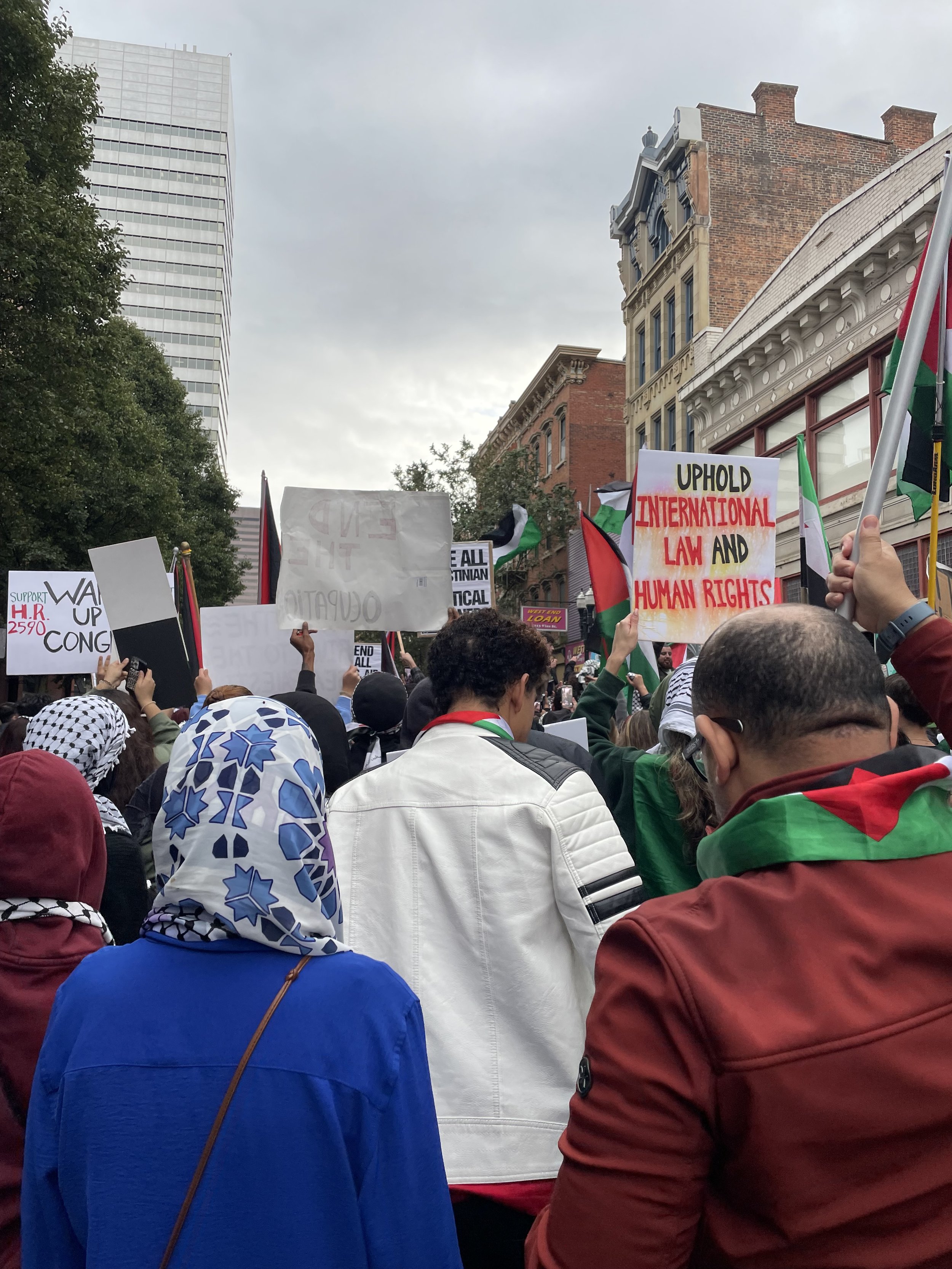
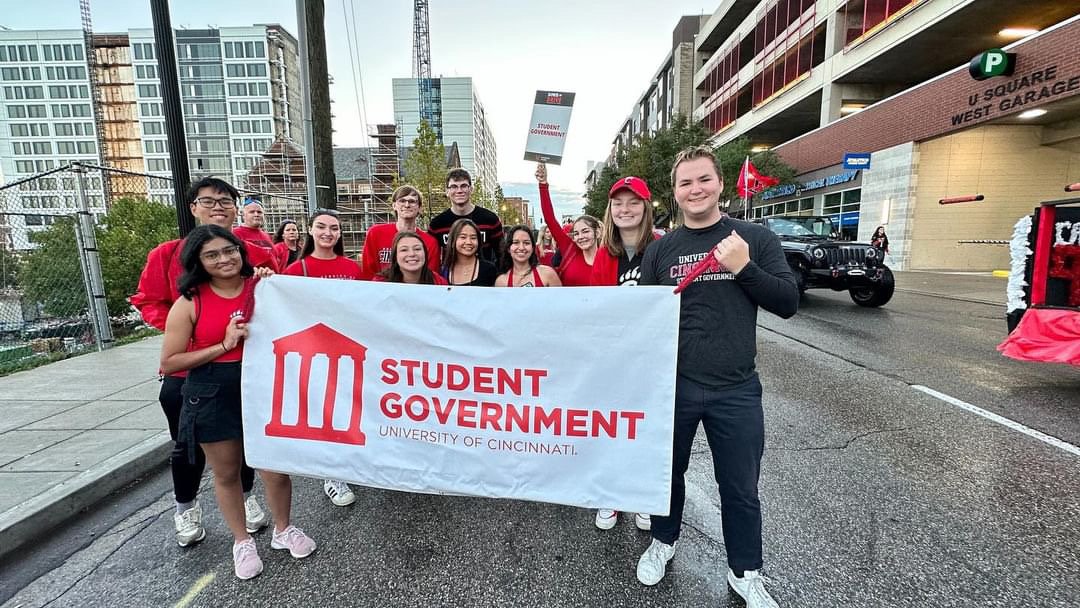
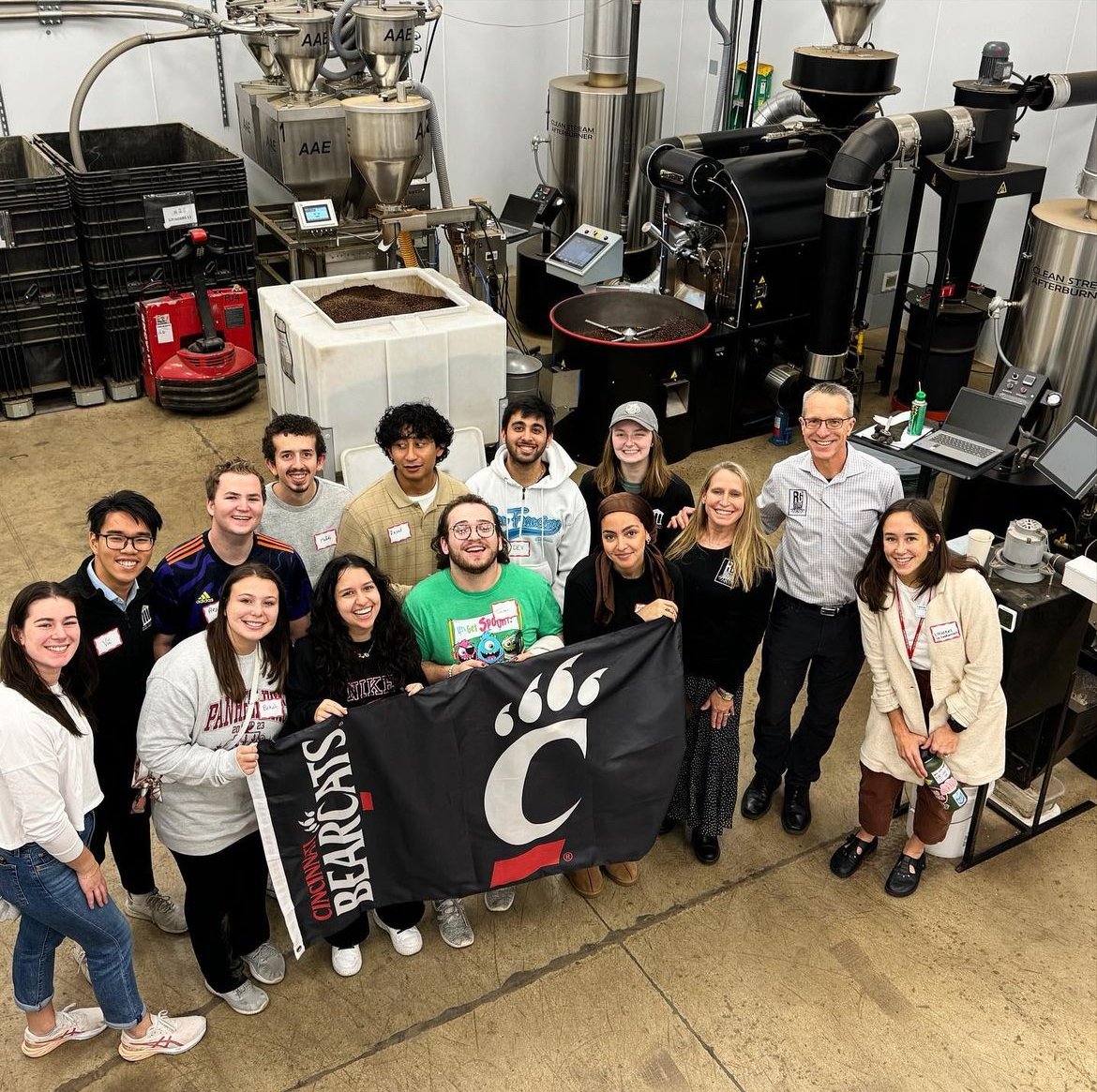
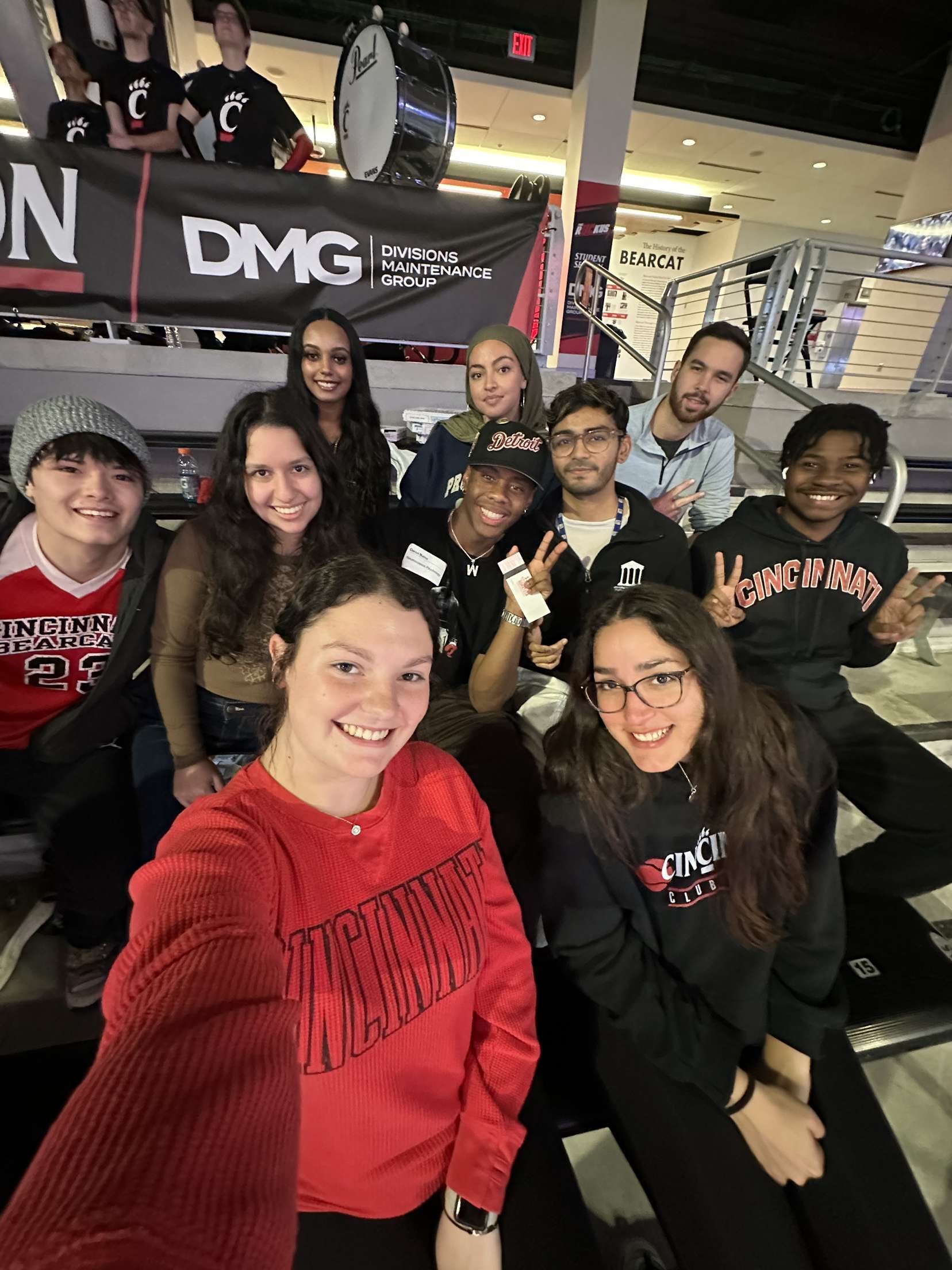
For the past few months I have dedicated a huge portion of time being a student leader an advocate as a student government senator. Attending weekly senate meetings, committee meetings, and hours and hours of reaching out to the student body for advocacy. I can’t say that it didn’t have its’ trials and tribulations. My biggest challenge was when my plans for initiatives dramatically changed when the Palestinian student body was in need of help and representation following the events in early October. I saw myself using my position to give them the platform they needed to advocate for Palestinians suffering overseas. I had to face my fears and confront UC administration during a faculty meeting with the fellow Arab and Muslim community watching, I spent meetings and meetings advocating for my co-senator’s now passed ceasefire bill which was the most endorsed bill in UC SG history. I even had to question the people around me as disagreements arose, and learn how to have the uncomfortable conversations. I felt like I had a huge purpose and it gave me so much motivation to engage in more action along my fellow peers. Despite the amount of backlash I have received throughout my advocacy, I have never felt more fulfilled and motivated to continue advocating to those who lack the representation they needed. I have attached photos from my time as a senator as well as a video of me speaking to President Pinto on behalf of the Arab and Muslim population. My video serves as the primary artifact of this experience because student advocacy to university administration is one of the most important things a student can do to advocate and voice a cause. It took courage and I give myself a lot of credit for it because I would not imagine myself to ever do something of this nature years ago.
Underserved Global Public Health Seminar
Underserved Global Public Health is a seminar that revolves around raw and unfiltered topics about healthcare in underserved and misunderstood populations. The first two-three weeks revolved around discussing the Social Determinants of Health which was then brought up consistently through each following week. We would have distinct speakers present and ignite conversations about very important subjects. Such subjects spanned from increasing healthcare technology in remote areas to dissecting prevalent racial and socioeconomic biases that are widely held in society. Such discussions were able to be connected to those like me who are aspired to do work with underserved populations. Something I truly loved to discuss frequently was the intertwining of many common struggles that people face on a daily basis, as a result of our very corrupt healthcare system. As someone who spends time getting involved in political conversations, it was no surprise that I enjoyed bringing up socioeconomics. An example would be how I discussed how the imperialist nature of western countries have consequentially led to a rise in countries and communities being exploited, which in hand results in communities who struggle to meet their needs. Another important conversation to be had was the rise in self-serving medical mission trips. It was essential that we call out whether or not people truly had selfless intentions when treating lower income communities and the rise of this so called "superiority complex." As someone with blood rooting back to the Middle East, I felt very connected to the stories of those who served in countries that constantly face victim to exploitation. I enjoyed the concept of speaking my mind throughout such discussions and rooting so many common problems in healthcare to the larger overall problems in geopolitics and economics. Being this seminar was not only insightful but will truly leave a lasting impact. It is truly one of those classes where you are expected to talk, ask questions, and be vulnerable.
Reflections:
What are your goals and expectations from the SLRT? What are you hoping to bring back to your organizations?:
My goals and expectations from the SLRTs are to be able to not only find ways to be a better leader but also find ways to improve myself on a personal level. Whether it is tools for more efficient time management when juggling multiple leadership positions, extracurriculars, and academics or finding ways to better my stress and burnout. There are so many ways that I can improve to further better and make my day to day life and tasks much more efficient. Another important goal I have is to improve how I work with people who may have different communication styles and personalities that may be different from mine. Although I have been able to work with others who may not do things the way that I do, I know that there are more that I can work on and improve. Overall, I want to be able to be a more efficient leader and leave a long-lasting impact in my organizations.
Write to yourself a paragraph you would want to read back to yourself when you are going through a rough mental patch/experiencing burnout.
Although things seem absolutely draining and impossible right now and the one thing you want to do at the moment is crash and give up, this isn’t the first time that you have endured a lot of rigor on your plate. You have been able to persevere through so many obstacles and rough mental patches even if it seemed impossible to. Above your academics and extracurriculars, remember to take care of yourself and prioritize your wellbeing. Always maintain a balance of working hard and relaxing and easing your mind. Pushing yourself over the limit of what you can handle isn’t healthy for your mind or your body so remember to take it all one step at a time. Prioritize good study habits, not procrastinating, and spending time doing the things you enjoy! I know things may seem so hard and agonizing at the moment, but you are more than capable of everything you put your mind into.
Describe your experience with the Human Knot activity and what you learned.
With my experience with the Human Knot activity, I honestly did not expect this activity to be as frustrating as it was. I went into this entire process with generally an open mind and did my best to lead some parts of this activity, however as time gradually passed some things became super confusing and I started to get really fatigued. Through the moments of feeling like giving up I did my best to have the group be as motivated as possible to untangle ourselves. Although it did not work exactly as we planned, I have a newfound appreciation for the way each of us did our best to lead the group closer to the solution.
Document your role’s responsibilities as if you were explaining them to the person who will take over your position. Then identify steps you can take to ensure a smooth transition.
As outreach chair for UC MAPS the responsibilities include facilitating a relationship between the organization and the community. This includes other student organizations, volunteer groups, and even health professionals. It is also important to try to have a reach on the student body and use your position to recruit people interested in health and medicine to be apart of the organization or even come to a meeting.
Steps to include a smooth transition include:
Create a template describing common tasks that is usually done by an outreach chair
Facilitating a meeting with the incoming person filling the position and help them with any questions or concerns that they have
After a small period of time I would then do a follow up meeting with them to make sure that everything is going smoothly
Not necessary but ideally I like to get to know every new member of the board regardless of their position to get to know them and see how they will run the organization,
What strategies can leaders use to combat imposter syndrome while staying authentic to their identities?
To combat imposter syndrome it is important to do things such as grounding yourself and reframing your thoughts. The thoughts you have about yourself aren’t necessarily reality and it can be hard to distinguish the two. Even brief thoughts of self doubt can be really detrimental to someone so it is important to rewire your thought process. Doing things such as writing all the good things you have done throughout the week, your previous accomplishments even if they seem “small”, and positive affirmations can be super helpful in reminding yourself that you are capable of doing anything. When things get very overwhelming it can also be helpful to prioritize self-care as well so that you don’t struggle with ongoing pressure.
First, describe how your organization(s) would enhance programming if funding weren’t a constraint. Then reflect on what these choices reveal about your organization(s)’ priorities and the leaders’ values.
For my organization Arab Student Association, we would host a lot more bigger and more elaborate events that would require a lot of funding. Events like our Arab Night or occasional outings are usually rare kind of events because they're costly and we have to distribute our funds fairly. Our organization is built upon bringing the Arab community at UC together and that is our top priority when it comes to what we would do. For MAPS, we would utilize funds to be able to do activities and meetings that revolve around hands on work and experiences. We would also do more socials to bring the community together and also network with other likeminded students.
Part One: Reflecting
1. What moments am I most proud of as a leader?
I am very proud of the moments where all the hard work I have put into something pays off. Sometimes it can be very difficult to have motivation to do things and to see the outcome of a project or idea is so rewarding.
2. What was one leadership challenge I overcame, and what did I learn from it?
One leadership challenge I overcame was experiencing issues of conflict resolution within my organization. There was a lot of interpersonal problems which spread to the organization itself, and I did my best to resolve it as best as I can. I realized that conflict is not something that can be avoided within an organization and is basically a rite of passage.
3. How have I impacted others through my leadership?
I have been able to help people get out of their shell as I have always made sure that everyone feels included and part of the organization. As someone who is very social and extroverted it is very easy for me to communicate with other people and make sure that things are going accordingly.
4. What kind of leader do I want to be one year from now?
I want to be the kind of leader that gets a lot of projects accomplished, and inspires others to get involved as well!
5. What is one leadership skill I want to grow next?
Definitely accountability. I sometimes have a hard time holding others and even myself accountable and I think accountability is very important. It allows for people to get things done efficiently and gives room for more growth.
Part Two: Goal Setting
1. Your leadership goal:
One leadership goal I have is to create new projects that involves inviting others to get involved. One project I am looking to facilitate is actually a crossover collaboration between MAPS and my other organization I have been getting involved with which is Cincinnati Global Shapers. It will be to create care packages for the homeless and distribute them.
2. Why this goal matters to me:
I want to give back to a community that I have spent a lot of time exploring and getting to know. I think it is important as a student of this university to give back to the city that has been supporting it.
3. Actionable steps to reach the goal:
I will create a meeting for both organizations to meet and talk to one another and then discuss plans related to the goal. Other steps will follow from there as anything is tentative.
4. People who can help me or keep me accountable:
The leadership in both organizations.
5. Resources I’ll need:
None really, just the people in both organizations…when it comes to making care packages we will be hosting a drive to collect items.
6. How I’ll celebrate once I reach my goal:
Not really sure yet, that will be decided once the time comes.
The Student Leader Roundtable involved a bimonthly meeting where I along with several leaders meet and learn more about what leadership truly entails. Overall it was a very beneficial experience. I was able to meet new peers and express so many thoughts and ideas that I had regarding leadership. It was very eye opening to see how even though my peers and I all came from very different organizations and backgrounds, we all shared similar experiences as leaders. This can include similarities within how we all facilitate meetings to having similar occurrences of dealing with conflict or imposter syndrome. During this experience I along with a peer were able to present and facilitate a topic discussion on mental health awareness and the stress that can develop for those who are in leadership positions. It allowed us to communicate and talk about our very real experiences and conflicts when it comes to taking care our mental health and how we can better prioritize ourselves. Sometimes we as leaders put so much pressure on ourselves to be on top of it all the time that we slowly start to forget to put more attention on us. Overall I not only learned more about how to be a good leader, but I also learned so much about myself and the leader that I can stride to become. My goal that I am wanting to achieve is to be able to head an initiative between multiple organizations that I am in to help our community and those in need, and I am very excited to use what I learned throughout these roundtables in my future plans.